Summary:
Q: How does voice-activated interpreter technology improve clinical workflows?
A: Clinicians can summon a medical interpreter with a simple voice command, removing delays from logging into devices or locating equipment. This streamlines care and saves valuable time at the bedside.
Q: Why is real-time language access essential in health care?
A: One in five U.S. residents speaks a language other than English. Real-time interpreter access ensures clear communication, reducing risks and improving outcomes for patients with limited English proficiency.
Q: What are the benefits of using AI-powered interpreter access in hospitals?
A: Hospitals gain faster, more inclusive care, with interpreters available in 240+ languages via existing screens or tablets. This reduces staff burden, enhances patient satisfaction, and supports regulatory compliance.
What If Getting Language Help Was As Easy As Asking Your Smart Speaker?
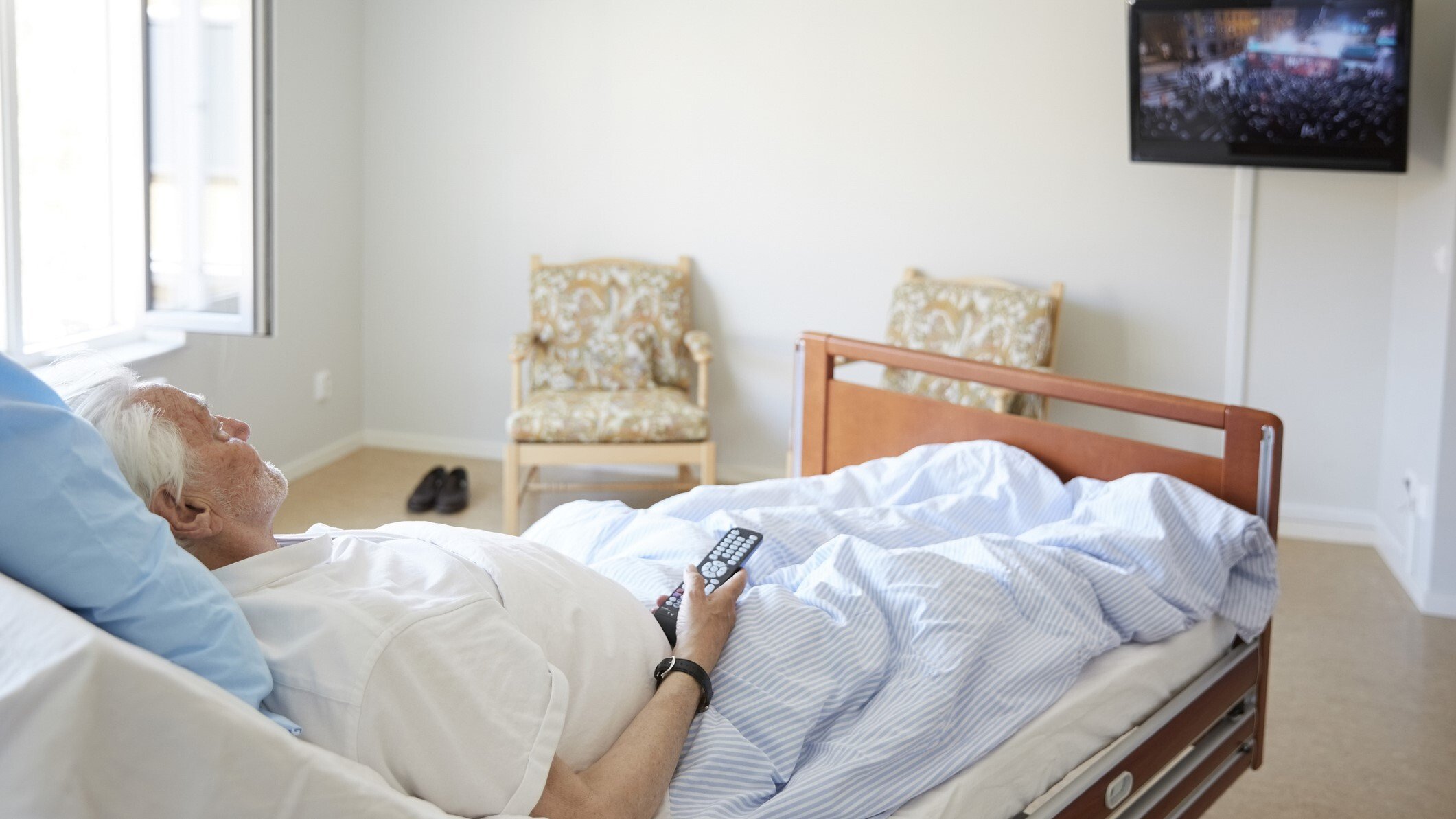
The overhead light hums quietly in a New York hospital room as a clinician steps toward the bedside. Her patient, recently admitted and visibly anxious, shifts in the sheets. He speaks Spanish. She does not. In the past, this moment might have brought the visit to a standstill. Today, it moves forward with confidence.
“OK Artisight – Spanish Interpreter,” the clinician says.
The request is as natural as asking Siri for directions or Alexa to play music. Within seconds, a professional medical interpreter appears on the TV screen, ready to assist in the patient’s language. The conversation begins, not haltingly, not through guesswork, but clearly and immediately.
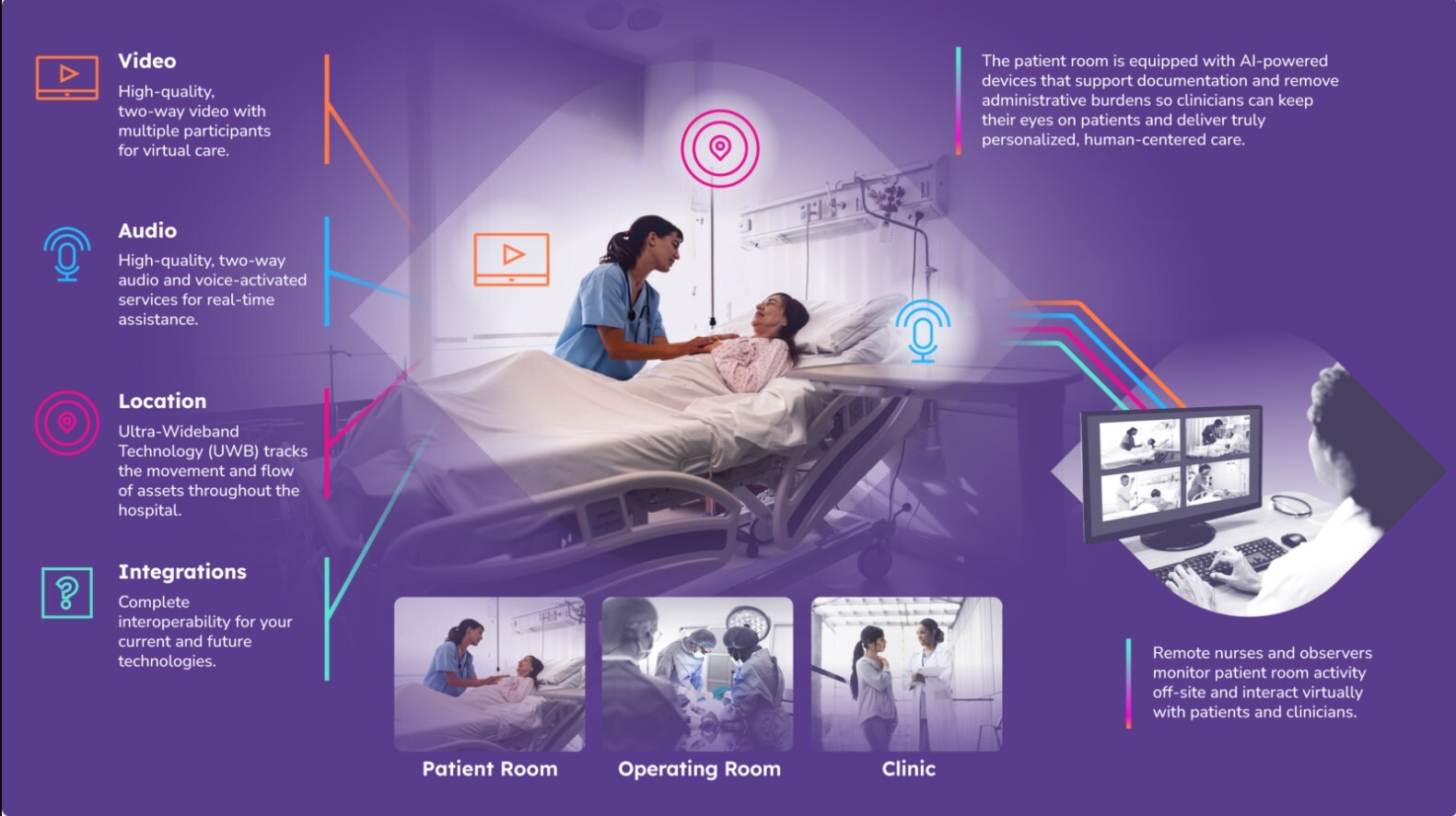
Known for its AI-powered Smart Hospital Platform, Artisight uses sensors, computer vision, and voice-activated technology to improve clinical workflows and eliminate friction at the bedside. Already helping hospitals reduce administrative tasks and streamline patient monitoring, Artisight has now extended its capabilities into real-time communication thanks to a new partnership with LanguageLine.
“For the first time, clinicians can bring an interpreter in the room with a voice command." - Dr. Andrew Gostine, CEO and co-founder of Artisight
Challenge: A Widening Gap Between Language Needs and Clinical Workflows
One in five U.S. residents speaks a language other than English at home. The clinical consequences of this are serious. Studies show that patients with Limited English Proficiency (LEP) are 25 percent less likely to receive preventive care and 50 percent more likely to experience adverse health outcomes than English-speaking patients.
Clinicians are under constant time pressure. Care can be delayed when interpretation requires locating equipment, logging into devices, or finding additional staff support.
The goal was to streamline the availability of interpretation, especially in high-stakes, time-sensitive situations.
Solution: Voice-Activated Interpreters Powered by Artisight and LanguageLine
To meet this challenge, Artisight introduced Voice-Activated Interpreters on its Smart Hospital Platform in collaboration with LanguageLine.
Clinicians can now summon a LanguageLine certified medical interpreter with a simple spoken cue. For example, saying “OK Artisight – Mandarin Interpreter” initiates an immediate, secure video connection through the in-room TV or tablet. No additional devices are needed.
The platform provides access to thousands of qualified interpreters across more than 240 languages, including American Sign Language. Whether the patient speaks Somali, Russian, or Tagalog, a qualified medical interpreter is available at any time of day, within seconds.
“For the first time, clinicians can bring an interpreter in the room with a voice command,” said Dr. Andrew Gostine, CEO and co-founder of Artisight. “This is another example of how we’re building the infrastructure to bring advanced technology into hospitals, eliminating friction for clinicians and patients at the bedside.”
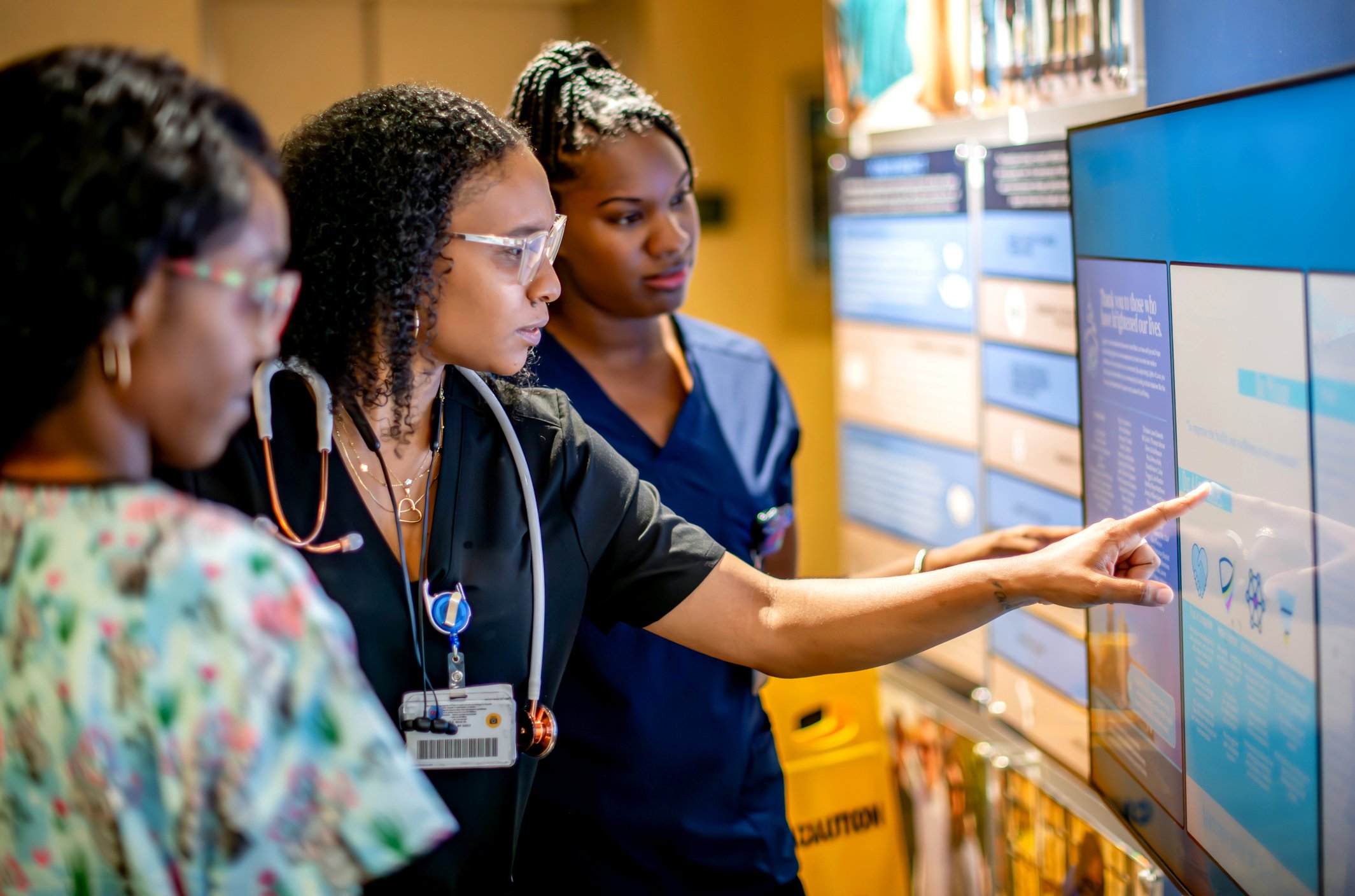
Remote caregivers also benefit. Artisight’s infrastructure allows off-site clinicians to access LanguageLine’s audio and video interpretation on demand, providing consistent support regardless of physical location.
"Reliable on-demand interpreting services are essential for delivering high-quality care." LanguageLine President and CEO Simon Yoxon-Grant said. “We’ve seen the need grow exponentially, to the extent that we managed over 85 million interactions last year.
Artisight’s voice-activation further dissolves language barriers and will save caregivers time. Every second counts when you are dealing with people’s health and well-being.”
Learn more: LanguageLine Expands Video Interpreting to Reflect Client Needs
Impact: More Time for Care, More Clarity for Patients
Artisight already helps hospitals save nurses more than 30 minutes per shift on administrative tasks. With voice-activated interpreting, the savings extend to every moment that would have otherwise been spent arranging for language support.
But the impact is about more than time.
Patients who understand their diagnosis and care plan are more likely to follow instructions and return to health. Clinicians who can confidently communicate with patients regardless of language can provide safer, more equitable care.
Learn More: AI Interpreting - All You Need To Know About Regulation
Let’s Talk Solutions
Artisight and LanguageLine are proud to collaborate in bringing this innovation to hundreds of hospitals and health systems.
Whether your hospital is undergoing a digital transformation or simply looking to improve care for multilingual patients, this technology is ready to scale.