
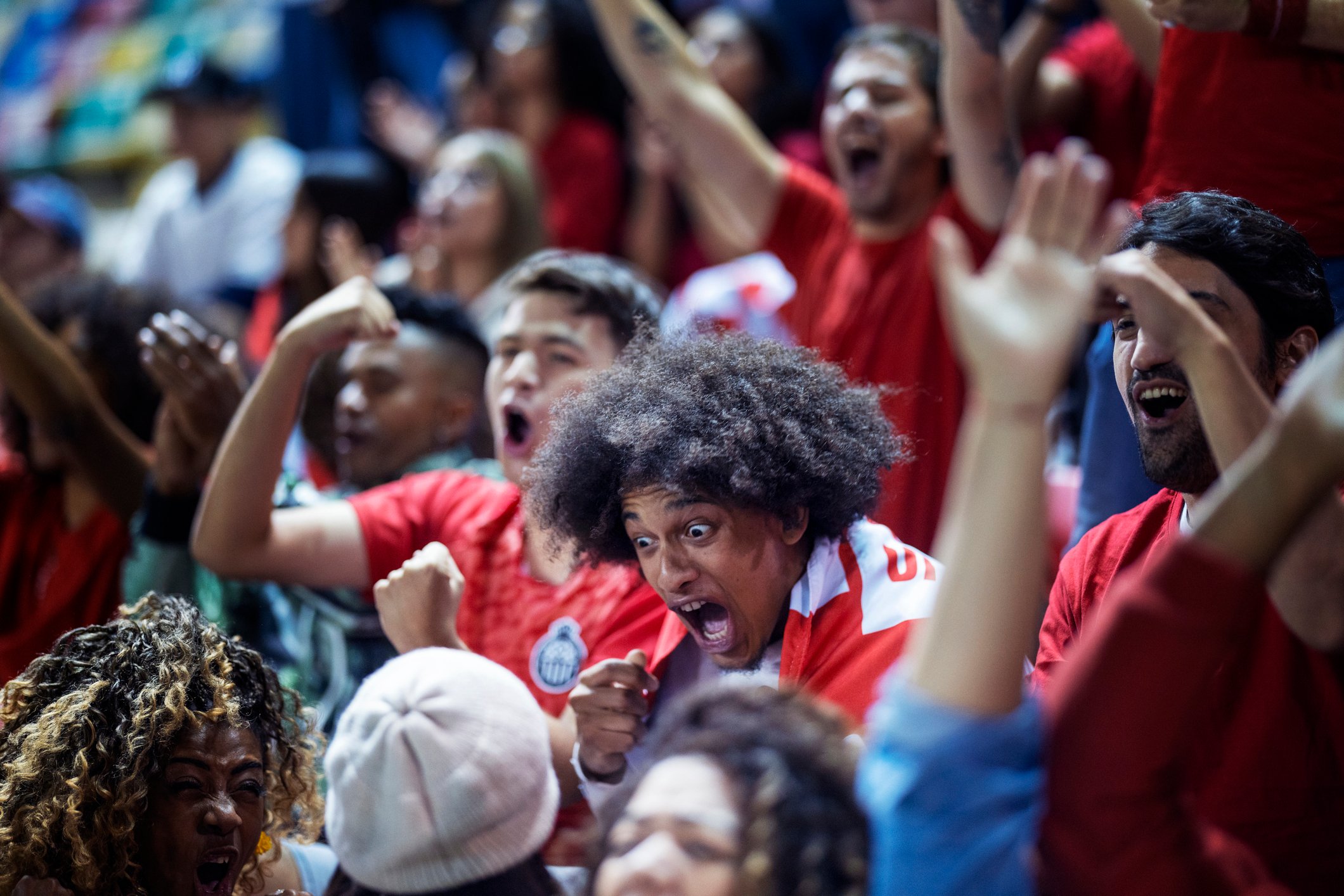
The World Cup is coming to North America. Sixteen host cities will welcome millions of international visitors over the course of the tournament. They'll fill hotels, restaurants, transit systems, and stadiums. And inevitably, some of them will visit emergency rooms, urgent care clinics, and pharmacy counters.
For healthcare organizations in or near a host city, this is a language access moment unlike any other. Fans will arrive speaking dozens of languages, many of which your facility may rarely encounter in a normal week.
That means language access planning should be treated as part of tournament readiness, not as a last-minute operational detail.
Download our preparedness checklist
A Global Event with Local Healthcare Implications
Standard intake workflows that work for your regular patient population may not bend easily to a sudden surge of unfamiliar languages, insurance documentation, or cultural expectations around care.
Preparation now can prevent confusion later, alleviating pressure for already busy care teams. The organizations that serve limited English proficient (LEP) and international patients best during the tournament will be the ones who planned for it in advance, not the ones improvising on game day.
Language Access as Part of Emergency Preparedness
For hospitals and healthcare organizations, this work should connect directly to emergency event and mass casualty preparedness. Major sporting events are already part of hospital surge planning, and language access should be built into those plans before a high-volume incident, public health concern, transportation disruption, or other emergency brings multilingual patients and families through the doors all at once.
The impact may show up in small but important moments: a visitor looking for the right entrance, a parent trying to understand discharge instructions, or a clinician who needs to confirm consent before treatment. Each interaction depends on fast, reliable communication.
A Practical Readiness Checklist for Healthcare Organizations
To help, we've put together a free checklist built specifically for healthcare organizations.
The checklist is designed as a practical readiness audit, helping leaders identify gaps in access points, staff training, equipment, and translated materials before international patient volume increases during tournament weeks. It walks through the essentials:
- Identifying which languages to prepare for based on participating teams and visiting fan demographics
- Auditing current interpretation capacity across phone, video, and onsite modalities
- Briefing front-desk and clinical staff on working with on-demand interpreters
- Translating essential forms and instructions for high-demand languages
- Coordinating with local public health, tourism, and emergency management partners
- Building language access into emergency event and mass casualty plans so interpreters, translated instructions, and language identification tools are ready during surge scenarios
- Placing language identification posters, cards, and digital access guides where patients and staff can find them quickly
- Confirming that dual-handset phones, cordless phones, video carts, tablets, and mobile interpreting applications are available in high-traffic care areas
- Qualifying bilingual staff through language proficiency testing and interpreter readiness assessments before relying on them in patient encounters
Put Readiness Measures in Place Before Match Day
These are practical, operational steps that can be assigned now, tested before opening match day, and adjusted as visitor patterns become clearer. The earlier these workflows are confirmed, the easier it will be for staff to focus on care instead of searching for language support.
Whether your healthcare organization is in a host city, a training-camp city, or a region that expects spillover traffic, this checklist will help your team get prepared.
It can also support conversations across departments, giving clinical, registration, call center, and communications teams a shared view of what readiness should include.
Download the Checklist
We invite you to download the checklist today.
.jpg)