
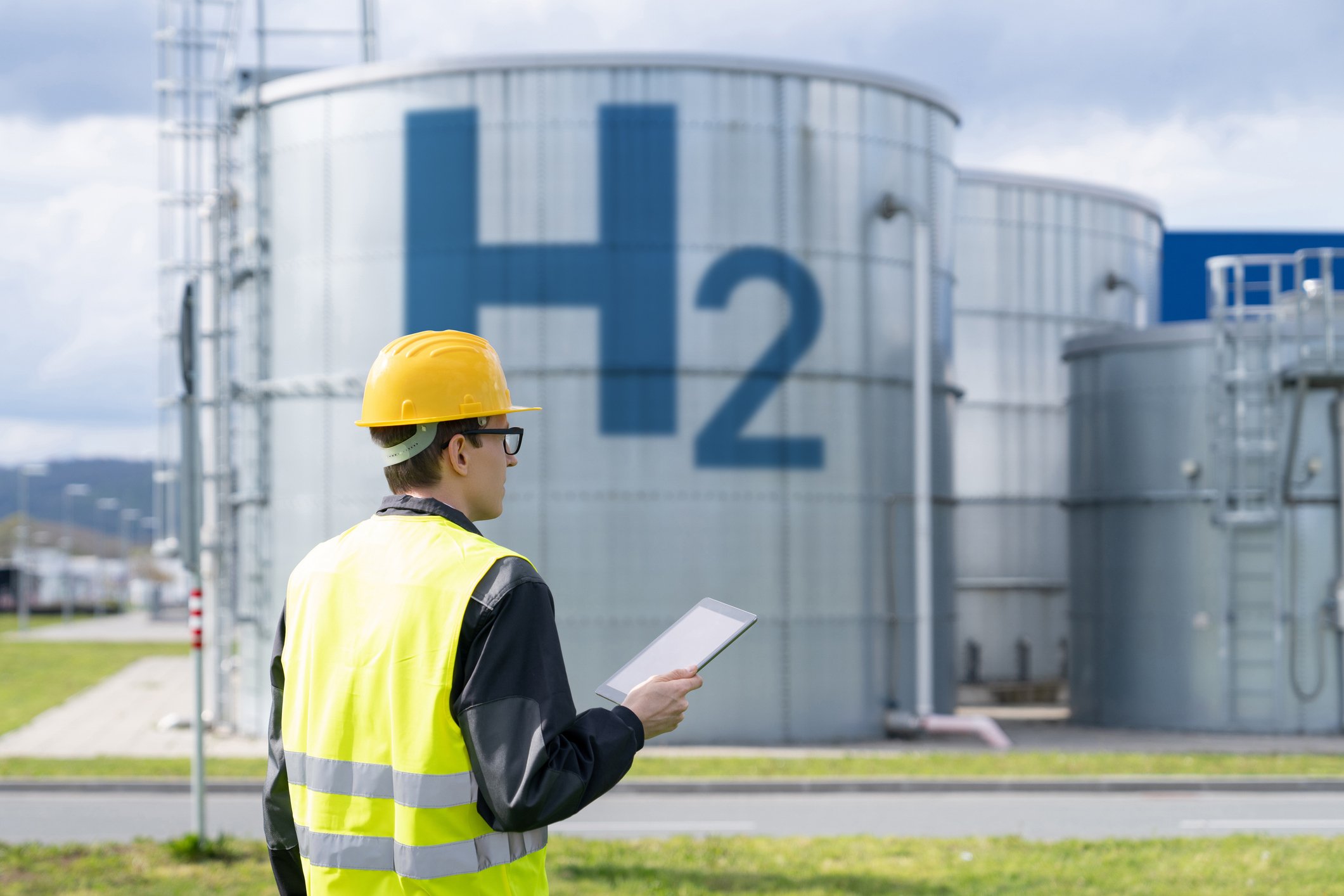
Hydrogen is quickly moving from concept to commercialization in manufacturing. Many companies are proving that hydrogen-powered machinery is not only viable but also scalable, especially in industries where electricity alone cannot meet operational demands.
However, as hydrogen technology advances, a less visible challenge is emerging alongside it: how to communicate it clearly, safely, and consistently across global markets. Because in hydrogen, language isn’t just a support function; it’s a risk factor.
Innovation Is Moving Faster Than Communication
Hydrogen introduces entirely new systems, processes, and safety considerations. From fuel storage and handling to engine operation and maintenance, the terminology and documentation required are highly technical and often unfamiliar to end users.
At the same time, manufacturers are expanding into new regions, each with its own:
- Regulatory frameworks
- Safety standards
- Technical terminology
- Workforce language needs
This creates a critical gap: innovation is accelerating, but communication frameworks are struggling to keep pace.
Where Language Becomes Mission-Critical
In traditional manufacturing environments, translation has often been treated as a downstream task. With hydrogen, that approach no longer holds. The stakes are higher, and the margin for error is smaller.
Key areas where precision matters most include:
Safety and Handling Documentation
Hydrogen introduces unique risks related to storage, pressure, and flammability. Safety instructions must be not only accurate but also culturally and linguistically clear to ensure proper handling across regions.
Technical Manuals and Specifications
Operators, engineers, and maintenance teams rely on detailed documentation to safely run and service equipment. Even minor translation inconsistencies can lead to misuse or downtime. Professional document translation services can help preserve technical precision and terminology consistency across languages.
Operator Training and Enablement
As hydrogen-powered equipment is introduced globally, training programs must scale across languages without losing clarity or intent.
Regulatory and Compliance Content
With hydrogen still evolving from a regulatory standpoint, manufacturers must navigate region-specific requirements, making precise, compliant localization essential.
For example, in parts of Europe, hydrogen NRMM (non-road mobile machinery) is not within the scope of current road regulations. A unified framework may require certified translations that satisfy the applicable regulatory or legal requirements.
Scaling Hydrogen Requires Scaling Language
Manufacturing companies’ progress highlights a broader shift: hydrogen is no longer experimental; it’s entering real-world deployment. But scaling globally requires more than engineering readiness. It requires linguistic readiness.
Every new market introduces new variables, including different interpretations of technical terminology, variations in compliance language, and workforce diversity across skill levels and languages. Without a structured approach to translation and localization, these variables can slow adoption or introduce risk.
Where AI Fits and Where It Doesn’t
As manufacturers look to move faster, AI-powered translation is becoming part of the equation. It can accelerate content production and support rapid expansion into new markets. But hydrogen-related content often falls into a higher-risk category.
This is where a human-in-the-loop approach becomes essential.
- Routine or low-risk content can benefit from AI-driven speed.
- Technical, safety, and compliance materials require expert human review.
The goal isn’t to choose between speed and accuracy; it’s to align the right approach with the level of risk.
Language as Infrastructure
Hydrogen is often discussed in terms of infrastructure: fuel networks, machinery, and supply chains. But there’s another layer of infrastructure that’s just as critical: language.
Clear, consistent, and accurate communication enables safe operation, faster adoption, regulatory alignment, workforce readiness, and more. Without it, even the most advanced technology struggles to scale.
Moving Forward
As hydrogen continues to gain traction in manufacturing, companies that succeed will be those that think beyond the technology itself. They will recognize that global deployment depends not only on engineering excellence but also on the ability to communicate that innovation clearly across every market they serve.
Because in a hydrogen-powered future, precision in language is just as important as precision in engineering.
Supporting Global Manufacturing at Every Stage
LanguageLine’s manufacturing translation services help manufacturers translate technical, safety, training, and compliance content with the accuracy and speed required to operate globally.
Connect with our team to strengthen your multilingual strategy.