Summary:
Why is staff training important for language access? Interpreter tools may be available, but staff often need guidance on when and how to use them. Ongoing training ensures language access stays central to patient care.
What should language access training cover? Key areas include when to use an interpreter, how to document needs, step-by-step tool use, and how language access supports privacy and respectful care.
How does training benefit staff and patients? It improves workflows, reduces hesitation, and strengthens patient dignity, especially in multilingual or high-stress settings.
Why Effective Language Access Depends on Staff Training
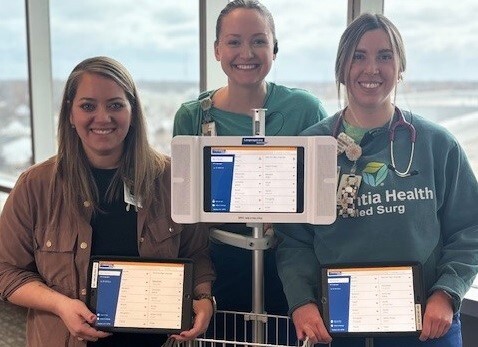
At Essentia Health’s 32nd Avenue location in Fargo, North Dakota, a nurse manager recognized an opportunity. A recent patient encounter highlighted the importance of communication access, and a colleague expressed interest in having more language support on the unit.
For Tiffany Cordell, RN, it was a clear sign. This was a chance to strengthen staff comfort and confidence with a tool already at their fingertips: the LanguageLine app.
Learn More: Why Cutting Language Access Costs More Than It Saves
Cordell turned to two of her most capable team members, RNs Kirstyn Aldridge and Darby Lien. What followed was a model example of what can happen when a health system stays actively engaged in its commitment to equitable care and is supported by a language-access partner every step of the way.
Challenge: Keeping Communication Access Front and Center Across a Multistate System
Essentia Health is an integrated health system serving communities across Minnesota, North Dakota, and Wisconsin. Headquartered in Duluth, Minnesota, Essentia includes 14 hospitals, 78 clinics, long-term and assisted-living facilities, retail pharmacies, and ambulance services. It brings together more than 15,000 employees and over 2,200 physicians and advanced practitioners, all united under a mission of being called to make a healthy difference in people’s lives.
Serving such a diverse population means meeting the needs of patients who speak many different languages. Across Essentia’s system, the percentage of non-English-speaking patients ranges from three percent to nine percent depending on location.
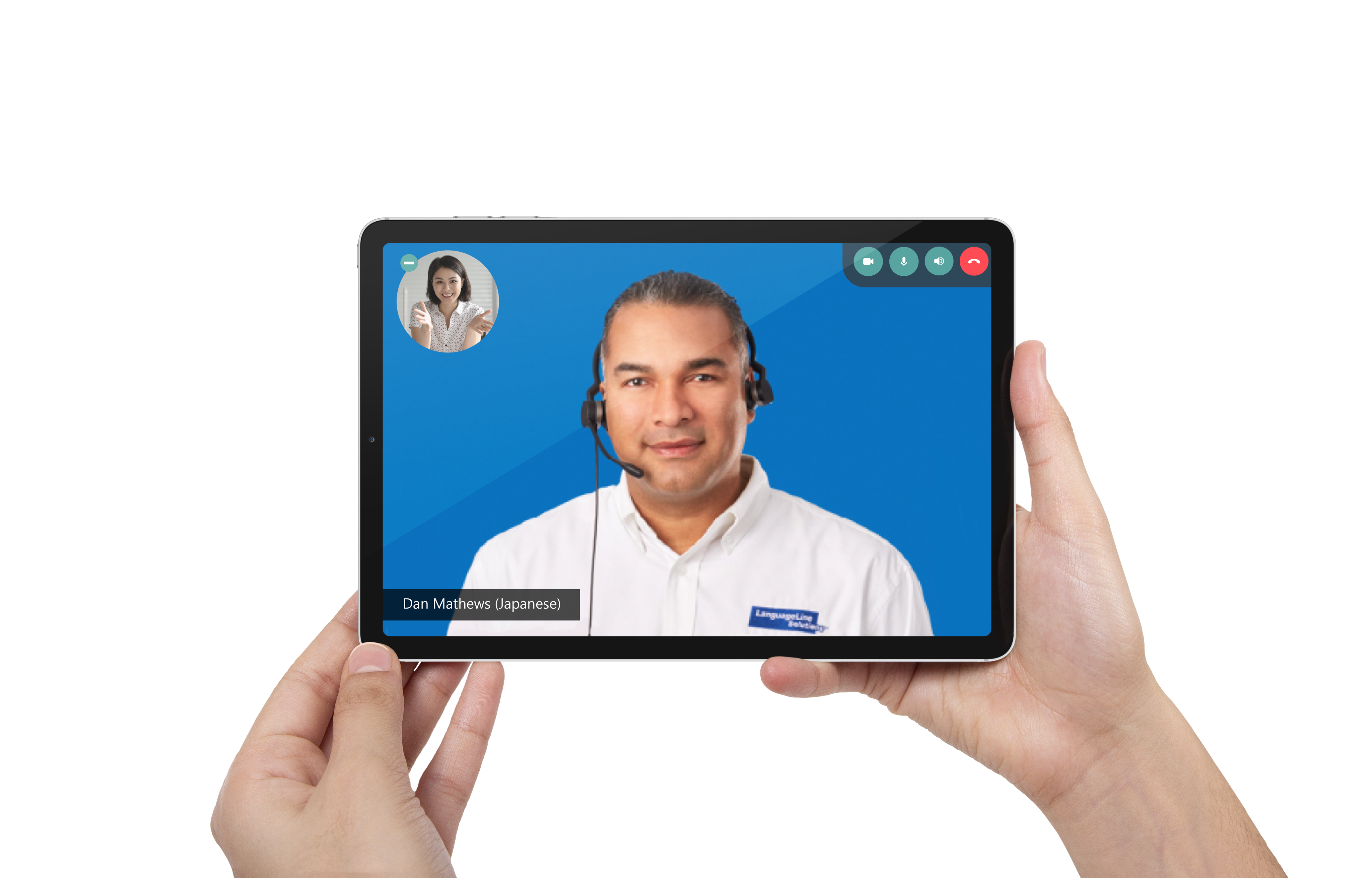
To meet these needs, Essentia uses the LanguageLine app. The app allows staff to access live professional interpreters in more than 240 languages, including American Sign Language, around the clock and at the touch of a button. Interpretation is provided in video and audio-only formats.
Learn More: Why 'Cost Per Encounter' Should Replace 'Cost Per Minute'
As Cordell’s team realized, the technology was in place. This was an opportunity to build awareness and boost comfort with using it. Some staff were unaware of how immediate and simple interpreter access could be. Many were surprised to discover that with just one tap, they could be connected to a medically qualified interpreter on-demand.
Solution: A Reeducation Campaign That Built Confidence and Renewed Commitment
Aldridge and Lien surveyed their colleagues and quickly identified opportunities for improvement. With support from LanguageLine, they then launched a thoughtful, practical reeducation initiative grounded in both policy and hands-on practice.
These were the focus areas:
- Recognizing the need for an interpreter
- Addressing interpreter needs upon admission
- Accessing Essentia Health’s interpreter policy
- Using the LanguageLine app, step by step
Education reached every RN on the unit and was completed a full month ahead of the original goal.
Learn More: Three Things to Know About AI Interpreting Right Now
The effort not only improved workflow, it deepened the team’s understanding of culturally responsive care.
"Maybe a patient doesn’t want a mom, dad, uncle or friend to know everything that's going on with them, and LanguageLine is an option for the utmost patient privacy," Aldridge said.
"It's important we put ourselves in their shoes,” she continued. “They’re in an uncomfortable position; they’re sick. How scary that would be if I were in a hospital where my primary language was not spoken. Whether they can understand you or not, it’s keeping that mutual respect, looking them in the eyes, so they know, ‘We’re talking to you, you’re our patient, not a computer’.”
"The reeducation competency not only removed hesitation among colleagues," Lien said. "It also supported patient care and dignity."
Let’s Talk Solutions
The reeducation initiative was a reinforcement of skills. Even experienced professionals benefit from a refresher, especially in a fast-paced environment where teams and tools evolve.
We are proud to support Essentia Health as a long-term partner. We know that continuous support of language access benefits every stakeholder: patients, providers, and the entire health system.
If your team would benefit from a refresher on how to access or use LanguageLine, we are here to help. We offer comprehensive training tailored to your workflow, including best practices for interpreter use, step-by-step app walkthroughs, and strategies for promoting dignity and privacy in multilingual care.
Please contact your LanguageLine account representative to schedule a staff education session.